College Roommate Tips
The Science of Roommate Compatibility: Personality Traits that Should Align
Let’s face it, your college experience can be highly influenced by your relationship and experience with your roommate. Even someone that you love to spend time with might not end up being a compatible roommate. While you want to get along with your roommate, there are specific personality traits and values that should align – it’s just science. Keep in mind, you do not always have to be best friends with your roommates. You should be friendly, of course, but it’s most important that your living expectations align.
Here’s a quick crash course on the science of roommate compatibility and the personality traits that should align when looking for a new roommate.

Extraverted or Introverted
Whether you are extraverted or introverted, your most compatible roommates will match that. If you are on opposite sides of the extraversion spectrum, it is going to make living together very difficult. One of you thrives around people while the other prefers their own solitude. It could mean one roommate wants guests over constantly, while the other would prefer guests were a rare occurrence. This difference in extraversion levels is going to lead to clashing between you and can make both of you very uncomfortable.
With that, keep noise sensitivity in mind. Some people like to come home and relax in a quiet space, while others like to put on some loud music as they settle in for the night.
These differing personality traits are impossible to ignore as they are a core part of who you are as a person. It can even make talking difficult as you two have very different styles of communication, both in person and over text. If someone wants to be alone but the other wants to be around and chat constantly, this might make both sides uncomfortable. If you view extraversion as a scale of zero to one hundred, your best roommate is going to be someone similar in number to you. If you can’t find someone that matches you exactly, you may be able to find someone in the middle who is more of an ambivert. Keep this in mind so your personalities can align.
Academic Competence
How important are your academics and studying to your college experience? Hopefully very important, considering the time and money you’re investing into it! Regardless, someone who values academics the same as you is going to align better as a roommate. Decisions that you or your friends have made, whether it comes to studying or partying, reflect your academic competence. You want someone who matches your level. If you have a big test coming up and you want to spend the night studying and your roommate wants to party and wing it, that can be very difficult, especially if they want to party in your space!
You don’t want your own grades to suffer because your personality traits do not align with your roommate, nor do you want your roommate to feel insecure if their grades are not as good as yours. Compatible academic goals and achievements are going to contribute to better roommate compatibility.
Cleanliness Levels
Naturally, a very important trait that needs to align is your cleanliness levels. If one of you is a neat freak and the other never cleans up after themselves… It is going to make your living situation very difficult. It can be frustrating if one of you always has to clean up after the other.
While sometimes you just have to give someone a nudge, or kick, in the right direction by creating a chore chart and communicating your cleanliness standards, it can be easier if you find someone who has the same definition of clean as you. What do you and your roommate both think needs to be done daily, weekly, or monthly? How do they keep their room and shared spaces?
Compatible roommates are essential for your wellbeing. When your personality traits don’t align, it can create a hostile living environment for both of you, filled with tension and arguments. While having common interests will be a good bonus if you are already compatible, don’t choose your roommates based on your favorite music or movies because that isn’t a sign that you will do well living together.
Talk about their living habits and figure out what kind of person they are at their core and if it aligns well with who you are. Don’t worry if you don’t end up being close or inseparable. Moving in with your best friends could end up destroying your relationship if the right traits do not align. Being cordial and comfortable in your own home is better than any conflicts that could arise.
Don’t be afraid to run through hypothetical situations together to see how you would both handle them and if everything seems to align. This could be a good test to do together!
The `Summer Roommate Effect` – Why Living Together Before the Semester Changes Everything
Moving in with a roommate can be a challenge. You may see others who have lived together before the semester seemingly have it all together. This “Summer Roommate Effect” has more work behind the scenes that students arriving at the start of the semester may not see or experience. However, there are steps you can take to change your relationship with your roommate by living together before the semester.

Build a bond early
If you do not know your roommate ahead of time, living together before the semester allows you to get a head start on building a bond before the busyness of school, student organizations, and campus jobs ramps up. This time allows you to get to know each other by going on outings or talking over dinner. These things become harder to schedule throughout the semester, so living together beforehand allows you to do these things while your schedules allow. Even before you move in together, set up a time to call or video chat to get to know each other. Some roommates even go on vacation together to get a sense of their compatibility before they move in together.
Write a roommate agreement
Living together before the semester allows you additional time to write a roommate agreement. Again, things get really busy during the semester, so getting started on the roommate agreement ahead of the semester allows you to make sure it is thorough and comprehensive. This ensures that it covers anything and everything that may arise, which allows things to flow relatively seamlessly during the semester. You may even have time to run it by your landlord, RA, or anyone else who has experience with roommate agreements. Those who are not living together before the semester may feel the rush and pressure to complete their roommate agreement, which may cause them to leave things out.
Clean head start
Moving in together before the semester allows you to deep clean the apartment before things get busy. This way, you will only have to do touch-ups each week to ensure things are maintained. Getting a head start on cleaning will help you save time down the line, and it will also allow you to see what supplies you have and what you still need to get. If you find that you are missing things, make a list with your roommate and figure out how you want to split the costs of the cleaning supplies.
Decorate your space
Living together before the semester allows you and your roommate to get a sense of each other’s styles when it comes to décor. You get a chance to see how you will be able to blend your styles into one so that you get the best of what you like. See if there are similarities or ways you can compromise on your differences. If not, you may decide to divide communal spaces, and each decorate certain rooms. You may also decide to take turns decorating communal areas, alternating each month or season. This way, you each get to let your style shine through. Be practical, using what you already have instead of fighting over what you want.
Explore your town or city
Having time before the semester allows you to explore the town or city you are living in. You may have gone to this school for a couple of years, but if this is a new neighborhood, there are new things for you and your roommate to discover. Before the semester starts, arrange a day to go for a walk through the neighborhood. It is better to walk than drive, as you are able to be immersed in the walk. Make note of restaurants you want to try, or you may even stop in one along the way. Observe things to do, like museums, movie theaters, or mini golf, and schedule “dates” to do these with your roommate.
Communicate early on
Before the semester starts, sit down with your roommate and have a conversation about your schedules for the semester. Include classes, work, and student organizations as well as times you plan on studying. If either roommate plans on studying in the apartment, it is important to communicate boundaries about visitors and sound levels during these times. Even if not, setting boundaries around these things can be helpful. It is crucial that you figure out what communication styles and methods work for each of you and implement. Sometimes that it a dry-erase calendar for sharing schedules and reminders. You may want a text thread or use a bulletin board. Experiment and see what works best for you both.
Living with a roommate before the semester begins is a game changer for semester success. You get to know each other and the space around you before others do, allowing you to be experts that others come to for recommendations and advice.
When It’s Time to Have a ’Roommate Meeting’ and How to Do It Right
By Téa Roepke
Living with roommates is one of the most memorable parts of the college experience. Sharing an apartment, dorm room, or house can lead to new friendships, personal growth, and plenty of unforgettable moments.
However, even the best roommate relationships can experience tension from time to time. Differences in habits, schedules, cleanliness, finances, and communication styles can create challenges that make shared living more stressful than enjoyable. When frustrations begin to build, many students avoid addressing them because they fear conflict or awkward conversations. Unfortunately, avoiding problems often allows them to grow larger over time.
That’s where a roommate meeting can make a significant difference. A well-planned discussion can clear up misunderstandings, strengthen relationships, and create a more comfortable living environment for everyone involved. Understanding when and how to call a roommate meeting can help college students resolve issues before they become major problems.

Photo: Pexels
Recognize When a Meeting is Needed
– Not every small annoyance requires a formal discussion. Everyone has occasional bad days, forgets chores, or makes minor mistakes. However, recurring issues that affect daily life often signal that it’s time for a conversation. You may notice growing frustration over household cleanliness, unpaid bills, excessive noise, overnight guests, shared food, or differences in study and sleep schedules. Sometimes the signs are less obvious. Passive-aggressive comments, avoidance, resentment, or a tense atmosphere in the apartment can indicate unresolved concerns. If you find yourself repeatedly complaining about a roommate to friends instead of speaking directly to them, that is often a strong sign that a roommate meeting would be beneficial. Addressing concerns early is generally much easier than waiting until emotions boil over.
Avoiding Conversations Can Make Things Worse – Many college students hope problems will simply resolve themselves. While that occasionally happens, most roommate conflicts do not disappear without communication. Small frustrations tend to accumulate over time. What begins as a minor annoyance about dirty dishes can eventually become a larger issue involving respect, responsibility, and trust. When concerns remain unspoken, roommates may not even realize their behavior is causing problems. Avoiding difficult conversations can also lead to assumptions and misunderstandings. People often interpret situations differently, and without communication, it is easy to develop inaccurate conclusions about someone’s intentions. A roommate meeting provides an opportunity to clarify expectations before frustration turns into a major conflict.
Choose the Right Time and Setting – Timing plays an important role in productive conversations. A roommate meeting should not happen in the middle of an argument or immediately after something upsetting occurs. Strong emotions can make it difficult for people to listen objectively and respond constructively. Instead, choose a time when everyone is relatively calm and available. Avoid bringing up serious concerns right before exams, work shifts, or important commitments whenever possible. The setting matters as well. Holding the conversation in a comfortable, private space can help everyone feel more relaxed. The goal is to create an environment where people can speak honestly without feeling attacked or embarrassed. A simple message such as, “Can we all sit down sometimes this week to talk about a few apartment-related things?” often works better than surprising roommates with a serious discussion.
Focus on Solutions Instead of Blame – One of the biggest mistakes people make during roommate meetings is turning the conversation into a list of complaints. While concerns need to be addressed, focusing entirely on blame often causes defensiveness. Instead of saying, “You never clean up after yourself,” try framing the issue around the shared living situation. For example, “I’ve noticed the kitchen has been getting messy lately, and I think we should figure out a cleaning routine that works for everyone.” This approach focuses on solving the problem rather than attacking a person. It encourages collaboration rather than conflict. Using “I” statements can also help reduce the tension. Statements such as “I feel distracted when there’s a lot of noise late at night” are generally received more positively than accusations like “You’re always too loud.”
Discuss Common Roommate Challenges – Many roommate meetings revolve around a few common topics. Cleanliness is often at the top of the list. People have different standards for what they consider acceptable, and assumptions can lead to frustration. Finances are another frequent source of conflict. Rent, utilities, internet bills, and shared household supplies should be discussed openly to prevent confusion or resentment. Guests can also become a sensitive issue. One roommate may enjoy having friends over regularly, while another values privacy and quiet. Establishing expectations about visitors helps avoid future disagreements. Schedules, noise levels, study habits, and shared spaces are additional areas where clear communication can make daily life much smoother. Every household is different, which is why discussing expectations openly is so important.
Listen as Much as You Speak – A successful roommate meeting is not just about exposing your concerns; it is also about listening to others. Every roommate brings different experiences, preferences, and perspectives into the living arrangement. You may discover that a roommate was unaware of a problem or has been dealing with frustrations of their own. Listening carefully allows everyone to better understand each other’s needs and challenges. Avoid interrupting, dismissing concerns, or becoming defensive. Even if you disagree with someone’s perspective, acknowledging their feelings can help keep the conversation productive. The goal is not to determine who is right or wrong. The goal is to find solutions that make living together easier and more enjoyable.
Create Clear Agreements – After discussing concerns, it helps to establish specific agreements. Vague promises such as “We’ll try to do better” often lead to continued confusion. Instead, focus on clear expectations. If cleanliness is the issue, decide how chores will be divided. If noise is the concern, agree on quiet hours. If finances have caused problems, establish payment deadlines and communication procedures. Written agreements are not always necessary, but some roommates find them helpful. A shared document, calendar, or group message can serve as a useful reference if questions arise later. Clear expectations reduce misunderstandings and help everyone stay accountable.
Follow Up When Necessary – One roommate meeting may not solve every issue permanently. Living situations, evolve, shecules change, and new challenges can emerge throughout the semester. Regular check-ins can help prevent future problems from escalating. These conversations do not need to be formal or lengthy. Even a brief discussion every few weeks can provide an opportunity to address concerns before they become major frustrations. Maintaining open communication creates a healthier and more respectful living environment over time.
Build Stronger Roommate Relationships – Although roommate meetings may seem uncomfortable initially, they often strengthen relationships rather than damage them. Honest communication builds trust, improves understanding, and demonstrates mutual respect. Many conflicts arise not because people are intentionally inconsiderate, but because expectations were never clearly discussed. A thoughtful conversation can reveal simple solutions that benefit everyone involved. Learning how to communicate effectively with roommates is also a valuable life skill that extends beyond college into future workplaces, friendships, and relationships.
Roommate conflicts are a normal part of college life, but they do not have to define the living experience. When recurring issues create tension, a roommate meeting can provide an opportunity to address concerns, improve communication, and establish healthier expectations. By choosing the right time, focusing on solutions, listening respectfully, and creating clear agreements, students can navigate challenges more effectively and maintain positive roommate relationships. In many cases, a single productive conversation can transform a stressful living situation into a much more comfortable and supportive home environment.
The Major Warning Signs of a Bad Living Situation
By Lana Oquendo
For first-year students, this upcoming summer or fall semester could be the first time you live with someone else. For continuing students, you could have a new roommate, whether you’re in a dorm or living off campus. In both cases, you might realize this living situation is not safe for you to stay in. From guest rules, boundaries, to general communication, you’ll want to recognize these signs early on to save yourself the headache of moving in the middle of the semester.
Below is a list of signs to watch out for and the proper steps to take, whether you’re a first-year or a continuing student, on or off campus.
This list is divided into 3 sections: Compatibility Warning Signs, Steps for First-Year Students, and Steps for Continuing Students.

Compatibility Warning Signs
The earliest signs of a living situation going wrong are in communication and boundaries. A lack of healthy communication coupled with disregarded boundaries is a recipe for disaster. These are the signs to watch out for:
● Declining Communication: If you notice that direct, in-person communication often leads to disagreements, in addition to retaliatory efforts of passive aggressiveness or stonewalling, it is a clear sign that there’s brewing tension between you and your roommates.
- ○ In a situation like this, you could opt to have a mediator (i.e., a close friend or an RA for dorm students) in the room to help you safely communicate.
● Breaking Boundaries: If you notice rules such as no overnight guests, entering rooms without knocking, using personal items, or forcing personal discussions are being broken frequently, and with more damage/consequences than the last time, that’s a sign you’re not in the safest environment.
● Financial Inconsistency: If you notice fair shares of bills are not being upheld, such as rent, utilities, or groceries, without communication for why they are not paying (discussing job loss, unexpected debt, etc.), that’s a sign you should try to get out sooner rather than later so you’re not stuck fronting the whole bill. In a different case, if they’re vague about when the bills are due and what the balances are, that’s a sign to leave as well.
● Uneven Responsibilities: If you notice cleaning schedules are ignored, they’re allowing guests to make a mess without cleaning up after themselves, or they’re using items in shared places without replacing them if they are empty/broken, then it can indicate a lack of respect for the space, and dumping more responsibilities on you to clean up everything.
● Tension Everywhere: Often, noticing you’re more uptight or they’re more reactive than usual is a sign that tension is brewing and needs to be addressed before it boils over. This is also noticeable in feeling like you’re walking on eggshells or leaving more than usual to avoid being home around them.
Steps for First-Year Students
For First-Year students or continuing students living in a dorm, your options are slightly different from those if you were living in an off-campus apartment. There are more rules and regulations you’ll have to follow that vary from school to school, but there are still some steps you can take to regain your peace. Follow these:
● Be Careful of Contracts: This relates more to my personal experience of having mismatched roommates.
- ○ There was a roommate agreement that all parties were required to sign at the start of the semester. I reluctantly signed, which almost became a problem for me, given that when I wanted to leave, I had a hard time getting out, as staff were less than willing to relocate me, despite how hostile things were getting in my dorm.
- ○ This included a lack of COVID safety regulations (potentially getting me sick with one roommate already having tested positive and having unauthorized parties), not doing the fair share of cleaning up (which led to flies in the kitchen), and not caring about noise levels (which led to complaints from other students), which all culminated in the final straw of having overnight guests that I did not know while I was asleep. I felt unsafe yet unsure of how to get out because of the contract.
- ○ The silver lining was that they did not sign their part, so the contract was not fully binding and allowed me to leave safely. I say this because you need to be aware of what you are signing and give yourself more time to get acclimated first before agreeing to stay in the unit. You never know how things will turn out as the semester progresses.
● Document Everything: This is as true today as it was for me in my situation. He said, she said will only get you so far when you’re trying to get out of a situation. Photos, videos, and voice recordings are the best bet if you’re trying to prove to staff why you want to leave.
● Leave Quietly: I learned that leaving quietly was the best option because I didn’t have to see them after telling the staff what happened. While it may be more work to do it by yourself if you don’t have friends to help you move, it will often alleviate more conflict with your roommates if you schedule it when they’re not there.
● Don’t be Afraid to Advocate for Yourself: For First-Year students, it’s harder to get out of tricky situations, especially with it being your first time leaving home. But part of being an adult is advocating for yourself, no matter what.
Steps for Continuing Students
For continuing students living in an off-campus apartment, your options are slightly better, but not for different reasons. While you’re not worried about getting relocated to a new dorm within the school, you likely have signed a lease to stay at the apartment, which makes that binding. But there are some steps you can take to get out of there safely.
● Talk to Your Landlord: Your best step is to talk to your landlord solo. You have some options in that conversation, such as buying out your share of the lease or seeing if there are available units you can move into that would make it easier to transfer.
● Consider a Sublet/New Roommate: If you are unable to break the lease, you could find another roommate to stay in your place and sublet it out to give yourself an out while not disrupting the lease as much for the landlord and your former roommate.
No matter your situation, you can always find a way out, even if it seems like your hands are tied!
Unique Spring Roommate Bonding Activities You Haven’t Done Yet
The snow is starting to melt, which means that you and your roommates can finally venture out of your dorm to do some fun and well-earned bonding activities. Spending nights inside watching movies and playing video games is fun and all, but take this opportunity to enjoy the fresh, spring air.
If you and your roommates haven’t been able to bond yet this year or you’ve just changed roommates at the start of the new semester, then take the changing of the seasons as a sign that you should change as well. You have to live together for a few months, so make it enjoyable! There are plenty of fun and unique ways you can bond with your roommate this spring, and you definitely haven’t done them yet.

Spring Cleaning “Party”
I’m sure spring cleaning doesn’t exactly sound like a fun roommate bonding activity, but turn it into a party and do it together! First, turn on some fun and upbeat music to get you pumped. If you and your roommate have the same musical tastes, put on a playlist of some of your shared favorite songs. If you listen to different stuff, take this as a chance to listen to some new tunes and learn about new artists! You never know when you’ll find your new favorite band or song. Prepare some of your favorite snacks and sodas to munch on while you clean together as well.
Once you’ve got your music playing, go through some of your clutter. When spring cleaning alone, it can be difficult to decide what to throw out. It’s very tempting to try to keep everything, even if you never use or wear it. Your roommate gives an external point of view and can help you get rid of junk you’re holding onto for no reason. Plus, your roommate might want something you want to get rid of, or vice versa, and you can swap! Give them the shoes you got that are too small for you but fit them perfectly, or take that old t-shirt they don’t really like anymore. While decluttering, you can still get something fun and new out of it.
Now, you two get to live in a nice, clean space for the rest of the semester… Or at least until the clutter builds up again. Try to make it last!
Local Trip
There are probably a lot of great views and sites to visit in your college town that you haven’t gotten to see in the cold and gloomy weather. Use the spring to change that, and who better to go with than your roommate? Local trips are always a great way to bond, as you can chat in the car and bond over crazy things that happen. Even if you plan out your trip, unexpected happenings like people watching, weird experiences with a waiter, or who knows what else, can make you laugh and bring you closer.
If neither of you has a car to use, don’t fret. You can still head on a local day trip or weekend excursion together. Look into your public transportation and see if it can bring you somewhere fun, or research local bus trips. Many companies do day trips to nearby sightseeing or hiking spots. Whether there’s somewhere you’ve always wanted to go but haven’t, or you search for new places to go, consider this bonding activity with your roommate.
Paint the Beautiful Scenery
With spring comes beautiful colors filling up our world. Flowers start to bloom, the green in the grass comes back, and the sky shines a beautiful blue, on a sunny day, at least. Do you have a favorite place on campus that you want immortalized? Why not paint it? You and your roommate can take a quick trip to the craft store, buy some cheap canvases and paint, and pick out a fun and beautiful spot on campus to paint.
Sure, you can each paint a canvas of what you see and show each other the results at the end, but there are a few ways you can make this even more unique. One idea is to swap canvases every few minutes. Not only do you get to see their progress, but you can work together to create a truly unique masterpiece. You can also try not looking at your subject while painting it, but rather be directed by your roommate. They tell you where to dip your brush and how to move in on the canvas to recreate the scene in front of you. See how well your communication skills are and bond over the funny experience!
Use some of these unique bonding activities to strengthen your bond with your roommate this spring. Start the season off strong with a spring cleaning party, then venture outside to find fun and new experiences together.
Roommate Red Flags to Consider When Deciding If You Should Keep Living Together
Living with a roommate can be challenging, even if they are the perfect roommate and you get along perfectly. In many cases, there may be an occasional fight or disagreement, but things are usually able to be worked through. However, there are some things that are signs that you should find a new roommate to live with.

Stealing or borrowing without permission
Even if you share an apartment, you and your roommate have your own corners of the space. However, if your roommate is constantly intruding on your belongings and stealing them or even borrowing them without your permission, it is a red flag to look for. This is especially true if you have talked to them about the situation and have set a boundary, but they should not be stealing or going through your things at all. If you have had conversations about stealing or borrowing without your permission, and your roommate continues to disrespect you, it may be time to reevaluate your roommate situation.
Differences in cleanliness
Many people have different levels of tolerance for messy apartments. While you likely have your own space within the apartment, you likely have communal areas that are shared with your roommate. This is where differences in cleanliness can cause issues. If you are someone who hates any clutter and your roommate is okay with leaving things sitting around, you may want to consider whether or not this is a dealbreaker for living with the roommate. Sit down with your roommate and have a conversation. If things do not improve, consider finding other roommate arrangements.
Different sleep or study schedules
As a student, your studying is crucial, but you also need sleep. If you have a designated study time and your roommate is being noisy, despite requests to be quiet, consider finding a roommate who is respectful. While you can study elsewhere, you should be able to study in your apartment and not have to worry about noise and distractions.
Similarly, you need your sleep in order to keep doing well. A roommate who constantly comes in late and makes a lot of noise disrupts your sleep. This is a red flag, and you should consider finding a new roommate.
Guest policy
Some people do not like having guests spend the night, including significant others. Others do not mind as much. It is important that you have this conversation with your roommate from the beginning. If you express that you are not okay with having people spend the night, but they bring people over anyway, that is a major red flag, as it is disrespectful.
Also, you should discuss having people come over to hang out, but not necessarily spend the night. You may communicate that a certain schedule is okay and require a few days’ notice before people come over. This allows time for cleaning and other preparations. However, if your roommate steps outside these set boundaries, this is a red flag.
Lack of communication
Communication between roommates is crucial. You need to be able to talk about problems that arise and know that you will be heard and respected. However, red flags in terms of communication include refusal to discuss issues, passive-aggressive notes, and the inability to compromise or even listen. These things go against basic decency and respect, so you may need to find a new roommate situation if your current roommate is unable to communicate maturely and effectively.
Disrespect after conversations
No matter what issues arise, your roommates should be respectful of things you bring up. It can be difficult to hear criticism, even if it is constructive, but your roommate should still take your requests into consideration and compromise to make the living situation tolerable. However, if your roommate continues to do things after you bring them to their attention as being something you do not like, it may be a red flag. They may be purposefully doing these things out of spite, and you do not have the time or energy to continue dealing with these kinds of things.
Responsibilities and chores
When you first move in together, you likely created a roommate agreement where you outline how you and your roommate will handle chores. You probably split them, with you doing some chores each week and your roommate doing others. You likely have a timeline in place for when these chores need to be done. Things happen, and your roommate may have a bad week, leading you to decide to help them out by doing their share of the chores for them. However, if you are constantly finding yourself doing their chores as well as yours, or they never offer to do yours when you are having a rough week, this is a red flag that you should keep an eye out for.
Even though roommates who are perfect for each other have issues, there are red flags to look out for if you are considering finding a new roommate.
Roommate Agreements: What to Update for the New Semester
The start of a new semester means more than just new classes. A new semester is a clean slate that allows you to shape the rest of the school year into something that works for you. This includes spring cleaning, better study habits, and provides a good opportunity to update your roommate agreement.
Roommate agreements allow you and your roommate or roommates to be on the same page when it comes to your housing. Think of it a little bit like the house rules! An entire semester has passed since you initially created it, which means it might be a little out of date. Some living habits you only discover after having experienced them for a few months, or your expectations might be different if you are anticipating your classes to ramp up in difficulty.
Take some time to sit down with your roommates so you can go over your roommate agreement and see what you need to update for the new semester.

Conflict Resolution
A roommate agreement dictates how you and your roommate will resolve conflicts. Everyone relies on different types of resolution, whether it’s open and direct communication or involving a neutral third party to get an outsider’s opinion. This can include an RA or an acquaintance in one of the classes that can give you a fair and unbiased view.
Even if you and your roommate are best friends and as close as can be, conflicts are inevitable when you are sharing a tight space with someone. Having an agreement written down that you can refer to allows for these to be handled as they happen, rather than letting them grow and build until one of you blows up at the other and ruins a good thing.
Use this as a precious resource to work through conflicts as openly as possible.
Guest Policy
One common update students make to their roommate agreement is their guest policy. If you need to focus on your studies from the comfort of your own dorm this semester, you might want to limit guests or how long they can stay. On the other hand, if you have a new partner, you might want to extend that policy.
A guest policy does not only revolve around how long guests can stay, but also what they can do when in your space. While they’ll likely need to use the restroom at some point, are you comfortable allowing guests in the shower or sleeping in your bed if you’re out of town? Think about what you are comfortable with, considering people that you may not know very well using your spaces, so that you can properly update your roommate agreement.
Regardless of what it is you want, you need to talk it through and decide on something fair for both you and your roommate. If you both want the same things, perfect! Update the roommate agreement accordingly. If your opinions differ, try to find some kind of compromise, such as only overnight guests on the weekends. This will be true for everything when updating your roommate agreement. Your dorm or apartment is supposed to be a safe space for everyone, not just you.
Cleanliness
You don’t realize how difficult it can be to stay clean until you have already lived on your own. A difficult classload can make that even harder. When you’re swamped with homework and exams, the last thing you want to do is pick up a broom. If you’re expecting long and hard hours studying this semester, it might be time to update your cleanliness rules in your roommate agreement. You should always pick up after yourself, but you may consider splitting other tasks in a different way that ensures everything is still clean, such as cleaning the bathroom.
Even if it isn’t your top priority, it should still be at the top of your list. Keeping things clean positively impacts both your mental and physical health.
Shared Items
Due to the recent holiday, you may have gotten new appliances or items to use around your dorm. Because of this, it is important to update your roommate agreement regarding what items you are both comfortable sharing. For example, you’re happy to share your coffee maker, but you might want to keep your pots and pans to yourself if you’re on a different diet than your roommate, such as vegan or gluten-free. Cross-contamination can be very serious, so if anything like this applies to you, make it known and update your roommate agreement accordingly.
In any case, if you don’t want your roommate to use or touch certain items, you need to make it known. Your roommate can’t follow a rule if they don’t know about it!
A new semester is the perfect time to update your roommate agreement so that everyone living together can be in sync with one another. Take time to speak to each other and put together something that works for you that you can utilize as a great tool if conflict happens to arise.
Roommate Gift Ideas Under $20
The holiday season is a festive time filled with giving and generosity. Part of this includes giving gifts to people, and for those who have roommates, the roommates may get gifts. However, for college students, it can be difficult to buy a lot of gifts while on a budget. Luckily, there are gifts for under $20 that your roommate will still love.

Cozy socks
In places where winters are particularly cold, there is nothing better than wearing a cozy pair of slipper socks. Luckily for college students, these socks typically cost less than $20. There are festive socks for the holidays, but there are also ones that have more general designs that can be worn all winter long. Socks are practical as they will be used to keep the recipient warm in the coldest winter months. This may even be an extension of an inside joke if your roommate is constantly complaining about being cold.
Journal
Journals have a wide variety of uses. The person you give it to can use the journal to make notes of things they want to do or to document things that happen in their lives. Even nice journals can be inexpensive depending on where you get them. Journals are great gifts because they can be used for a variety of things and are practical gifts. Every time your roommate uses the journal, they will remember that you bought it for them.
Picture frame
Picture frames are a perfect way to give a sentimental gift and to document a moment you had with your roommate. Many stores have basic picture frames for less than $20 and you can print out the picture you want to use. You may even decide to go to a craft store and buy a picture frame that you can decorate and personalize yourself. This adds a more personal touch to your gift, making it even more sentimental.
Mug and additions
During the winter months, there are few things more comforting than a warm cup of hot chocolate on a cold winter’s day. Buy a mug that your roommate will like, such as one with their favorite band or fictional character. You may even decide to buy one that you customize with a picture of you and your roommate. You can then fill the mug with hot chocolate packets and/or their favorite candy. This way, they have hot chocolate and a sweet treat to enjoy when it is cold out.
Coupon book
When you were younger, you may have made a coupon book for your parents that had coupons to be redeemed for things like a free hug. Make something similar for your roommate, but make it personal to your relationship. Include coupons that can be used for things like a week of a specific chore, spending time together, or other personalized redemptions that you know your roommate will appreciate. The coupon book can be made by hand, but there are online coupon book makers that can help you if you are not super crafty and creative.
Paint or draw a picture
If you are talented at art, you can paint or draw a picture for your roommate that is based on something they will like, such as a hobby or a character. This adds a personal touch to your gift as it is something that you created by hand specifically for your roommate. You can buy a picture frame to put it in so your roommate can easily display it, and it will not get ruined. They will be able to look at the picture and appreciate the time and talent you put into their gift.
Music recording
For those who are musically inclined, you may opt to write and record a song specifically about your roommate. Find out what style of music they like and challenge yourself to have the song be in that style. Write the song about things that are special about your roommate or things that are specific to your relationship. Record the song, edit and mix it, and burn a copy for them to have on CD. You may even opt to design cool cover art based on what your roommate likes in terms of art and aesthetic.
Experiences
When you are in college, life is not always about material things. Sometimes, having experiences with someone can be even more meaningful than a physical gift. This can include going to the movies, seeing a favorite band perform, or even just going on a day trip somewhere your roommate has been wanting to go to. You can find experiences that are less expensive than others, or you can look at sites like Groupon to help you save some money. This way, your roommate will have a memory of you. You may even buy souvenirs, depending on what the experience is.
Buying gifts on a student budget can be difficult, but there are great roommate gifts that cost less than $20.
Roommates and Lease Agreements: A Guide for New Roommates
By Lana Oquendo
As a new renter, you have to decide where you want to live, who you want to live with, and what kind of lifestyle you’ll be anticipating in the long run. If you’ve decided to live with roommates, then you’ll have a few things to review and discuss with them before signing your lease, such as financial and legal obligations, splitting rent, and signing a roommate agreement. To make the transition easier, here are some ground rules and tips to follow to ensure your rental experience is stress-free.

Roommate Meeting
Before you move in, you should have a meeting with your roommate(s) to lay down the expectations you both have for how you want to live, what is considered private or communal, financial splitting, and lay out work schedules to figure out how to not impede on the other person’s life. During the meeting, ask them and yourself:
● What is the rent, and what can you put up towards it? This can be 50/50, 60/40, or something different, such as them covering the rent while you cover the utilities or groceries. Every dynamic is different, and you should work together to avoid putting a strain on the other person’s finances.
● Who will have guests over, and how long can they stay? Some may want to have daytime-only guests, nighttime-only guests, or even let them stay overnight. You also need to factor in how these schedules may change if work schedules shift or are temporarily adjusted for specific events, such as finals week.
● What spaces and/or appliances are you willing to share and not? Some typical communal areas include the living room and kitchen, but certain appliances, such as a personal blender or gaming console, may not be. Additionally, consider how these shared spaces may incur more costs, such as the need to split the cost of upgrades to certain appliances with your roommate(s).
● How do you prefer to communicate household issues? Is one way, such as in-person, a phone call, or a text, the best way for you and your roommate(s) to talk? Or should there be variations, such as an in-person chat to discuss cleaning expectations or a quick text to remind you to buy more milk?
● What is your schedule? You may be a daytime student or worker, while they can be a nighttime student or worker. These schedules need to be outlined to avoid sudden noises while one is sleeping or studying, and to decide who will take on cleaning up communal spaces on certain days or weeks.
● How will you contribute to household chores? In connection with the previous question, you need to go over what needs to be cleaned frequently. Would you prefer the couch to be made every morning, or is that a nonessential? Do you alternate washing the dishes nightly or weekly? Who’s doing the grocery shopping? Determine what works best, considering your schedules.
● What noise are you okay with or not okay with? You may be fine with late-night binge watching or gaming, whereas your roommate(s) want peace and quiet to sleep through the night. They may want a quiet morning to get up, whereas you can be full of energy by sunrise and do early cleaning.
● What will happen in the event of loss of income? Layoffs can happen to anyone at any time. Talk about how long they could cover their share of the bills, when/what you could chip in while they look for other work, and how this may change daily schedules.
Roommate Agreement
When you get to sign your lease, go over a roommate agreement with your roommates(s) to go over important details the lease may not cover. Some of these terms are:
● How the rent and utility bills will be split and paid
● A plan for cleaning, chores, shared supplies, and communal spaces
● Policies on overnight guests and noise levels
● How to handle a roommate moving out early
● How to cover costs for job layoffs
● Who is responsible for finding a replacement roommate
Lease Agreement
Before signing your name on the dotted line, review the key terms of your lease agreement so that you and your roommates are prepared, and inspect your new home. Be sure to:
● Conduct an In-Person Walkthrough: Before signing, take a tour of the new rental with your roommate(s) and landlord to review any previous damages and ask questions about the property. Tip: Take photos and videos of the place as proof of the condition before you move in.
● Rent and Payments: Verify the exact rent amount, due date, late fees, and acceptable payment methods. Tip: Review the roommate agreement to determine who will be responsible for the payment.
● Lease Duration: Check the exact start and end dates, as well as the process for renewing or breaking the lease early. Tip: Add those clauses to the roommate agreement.
● Subletting: Check if the lease allows subletting, in case you have future roommates who are not on the original lease. Tip: Go over who will be responsible for finding new roommates.
● Security Deposit: Understand the amount, permissible deductions, and when you can expect it back. Tip: Determine how much each person will contribute to the deposit.
● Utilities: Clarify which utilities you are responsible for (e.g., electricity, gas, water) and which are included in the rent. Tip: Outline these in the agreement for future reference.
● Maintenance and Repairs: Understand what your landlord is required to repair and who is responsible for any maintenance, including emergency repairs. Tip: Create a list of emergency repair services.
● Rules and Restrictions: Review the rules regarding pets, guests, noise, parking, and any potential renovations. Tip: Look for any ‘hidden’ restrictions in the lease, like limits on decorating or quiet hours.
● Renters Insurance: Check the lease to see if it’s required, as most places do require some form of insurance. Tip: Have your own renter’s insurance, as one person’s policy generally doesn’t cover another’s belongings or liability, and sharing a policy can create complications with claims or moving out.
Remember, before signing, that some leases have joint liability. You may be legally responsible for the full rent and damages, even if your roommate causes them.
Moving in with roommates doesn’t have to be complicated. By reaching a middle ground with them ahead of signing the lease, creating an agreement that aligns with all your current lifestyles, and working together to ensure you understand all the terms and conditions of signing a shared lease, you can make living in a shared space worthwhile.
How to Keep the Apartment Clean Without One Roommate Doing Everything
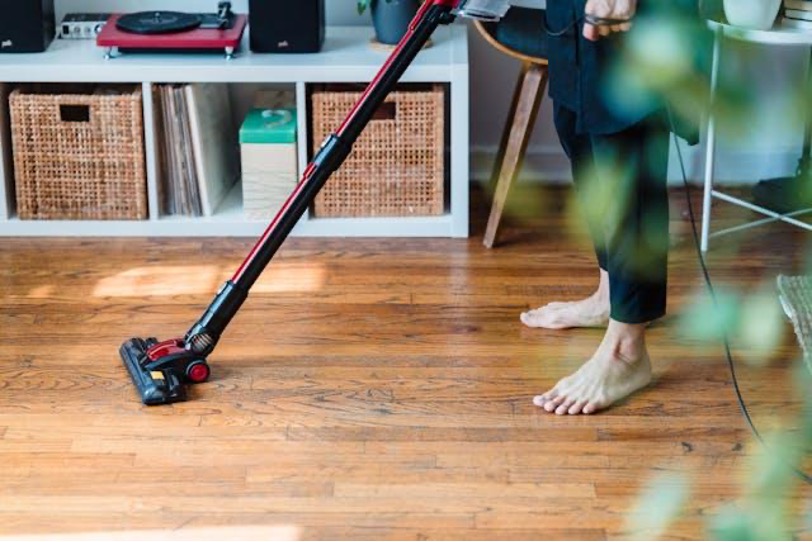
Living with roommates is a fun experience, especially if it is your first time. You are learning how to live independently away from your family. One of the biggest things to learn to do is to keep your apartment clean without leaving all the work for one person to do. Thankfully, there are ways to make sure each roommate has a fair share of the cleaning, so things get done fairly.
Make a schedule
At the start of each week, make a list of cleaning chores that need to get done and decide who is going to do each chore that week. Alternate who does each chore from week to week to keep it fair, and no one gets the easy tasks each week while someone else always gets the difficult tasks. The schedule can be on a calendar, or you can use a kids’ chore chart. If you are crafty, you may even decide to make your own.
Roommate agreement
Before moving in, meet up with your roommates to create a roommate agreement. This should include things such as paying rent, schedules, and other agreed-upon rules. Include a section on how cleaning tasks get done. Include rules such as “if you cook with it, you clean it.” Be as specific as possible to avoid any confusion and potential for disagreements or loopholes. If there are any disputes, you can refer back to your roommate agreement and show the rules that everyone agreed on and signed.
Avoid doing it by yourself
If your roommate is having a difficult week, it may be tempting to decide to do all of their cleaning chores for them and hope that they will reciprocate if you are having a stressful week. However, this usually backfires. At minimum, you may never get the kind deed reciprocated. At the worst, your roommate may try to take advantage of your kindness by saying that they are having a stressful week, even if they are not, just to get out of cleaning. You may switch their more difficult tasks for your easier tasks, but everyone should be contributing to chores each week.
Use an app
Nowadays, there is an app for everything. This includes apps for roommate chore help. These apps make chores fun by making them competitive and rewarding you for completing your cleaning tasks. You can add your roommates and cleaning tasks, and the app will assign the chores to the roommates. This makes it fair and unbiased as the app is deciding who does what.
Different definitions of clean
No matter how much you and your roommate agree on things, you will likely still have differences. One of these differences may be in what each of you thinks is clean. You may like everything to be in its place, while your roommate is okay with leaving things sitting out on the counters or the floor. Have a conversation with your roommate as soon as this issue arises and try to understand where they are coming from. If they tend to leave things lying around, see if they will be willing to contain this in their own space and respect shared spaces.
Effective communication
Communicating effectively about what cleaning needs to be done and what your expectations are is essential. Being passive-aggressive and leaving sticky notes around the apartment will not get you anywhere. This will only leave your roommate feeling bitter and unmotivated to make a change. Communicate your wants and needs early on and make sure you and your roommate are on the same page when it comes to cleaning. This will decrease stress and arguments moving forward.
Roommate check-ins
At least once a week, have a check-in with your roommate. This will allow you to see how you both feel about the cleaning tasks you are doing and what needs to be adjusted. During this time, bring up any differences in cleanliness ideas that you notice and brainstorm how to navigate moving forward. Try your best to remain calm during these conversations, even if something is upsetting you. This way, issues can be resolved in a friendly manner, and your roommate will not feel like they are being cornered.
In-between tidying
Even if you have a set day or a couple of days devoted to cleaning, you will likely still have small tidying tasks to do daily. This includes putting dishes away and taking the trash out. Make it a rule that everyone needs to clean up after themselves if they take things out and put their dishes in the dishwasher after dinner. Setting these boundaries ensures that everyone is doing their part and no one is tasked with doing so much at once. This also ensures that the cleaning tasks you have set are not built up and super difficult, since things are being done in the interim.
Keeping your apartment clean with a roommate can be difficult, especially when it comes to sharing the load, but it is possible to work together to share the task of cleaning.